Serving Columbus & Dayton
Chimney inspections, cleaning, and repair across Ohio
Family owned for over 20 years. CSIA-certified, licensed, insured, and offering drone inspections.
Certified & reviewed · CSIA · Google · Yelp · Angi · HomeAdvisor · BBB · Porch
- CSIA certified
- Google reviews
- Yelp reviews
- Angi reviewsSuper Service Award
- HomeAdvisor reviews
- BBB certifiedA+ Accredited
- Porch reviews
- CSIA-Certified SweepsCertified by the Chimney Safety Institute of America.
- Licensed & InsuredFully covered before anyone sets foot on your roof.
- Family Owned & OperatedFamily-owned for more than two decades.
- Drone Inspections, $59A roof-level view beyond what can be seen from the ground.
Free estimate
Book Your Free Estimate
Tell us what your chimney needs. Request a free estimate and our team will call you to discuss the details.
From our customers
Our reviews are on Google, Yelp, Angi, HomeAdvisor and Porch
We don't write our own testimonials or pick which ones you see. Read them at the source, where we can't edit them.
Recent work
PROJECT GALLERY
A look at some of our recent chimney projects, from routine maintenance to complete repairs and restorations.
Cracked crown repaired and capped
The crown is continuous around the screened cap again, with fresh mortar closing the top of the stack.
Crown rebuilt and screened cap fitted
The finished chimney has a continuous crown around the flue and a fitted screened cap.
Fireplace opening refreshed
The finished opening has a dark firebox, an arranged log set, and a clear hearth.
Failed crown edge and rebuilt upper stack
The upper stack was rebuilt and parged into one continuous exterior surface above the roofline.
Failed crown rebuilt with two caps
The crown was rebuilt around two metal flues, each finished with a metal cap.
New screened cap fitted
A screened metal cap now covers the flue and sheds rain clear of the chimney top.
Multiple brick repairs across the stack
The repaired face is back to continuous brick courses beneath the finished crown.
Cracked crown, and the same crown after
The crown surface is unbroken again, sloped away from the tile and carried out over the brick.
New chase cover and cap
New cover fitted over the chase and the flue capped — the rust it replaced is still showing underneath.
Start here
What's your chimney doing?
Pick what you've noticed and we'll show you which job fixes it.
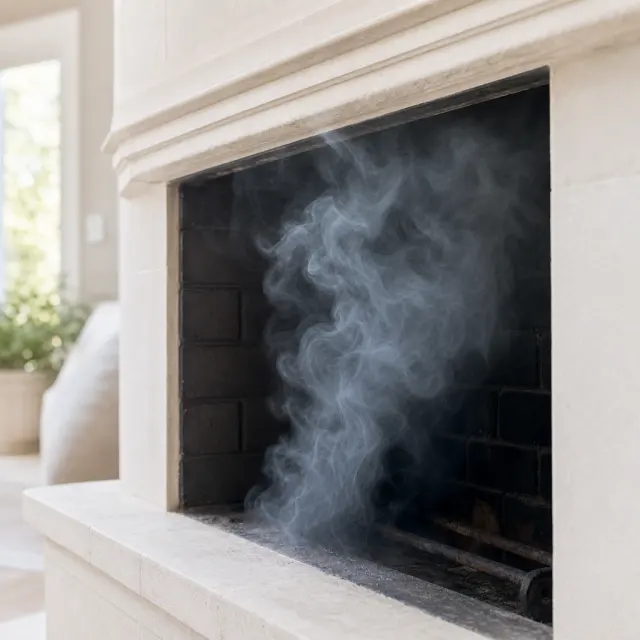
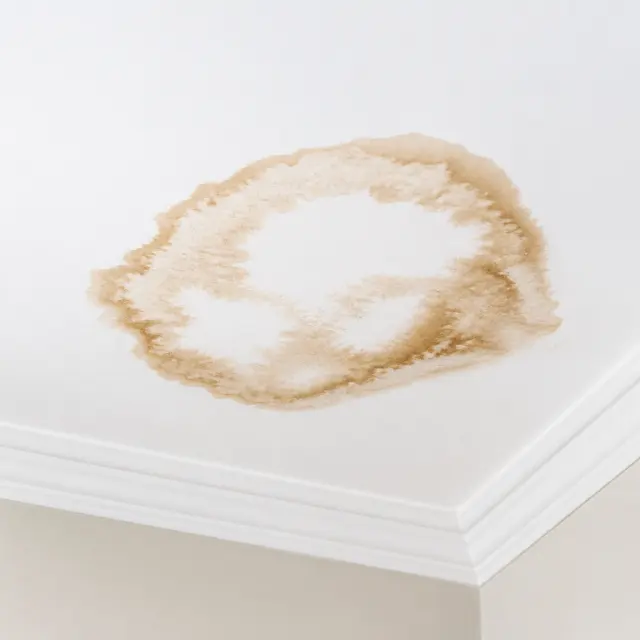
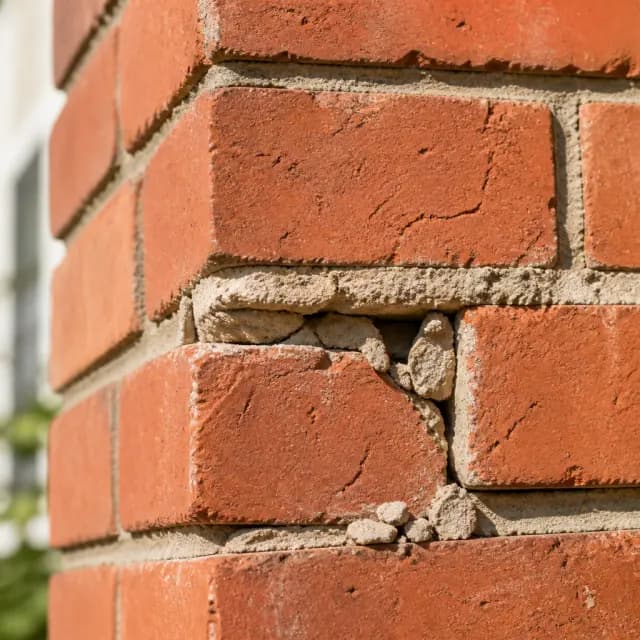

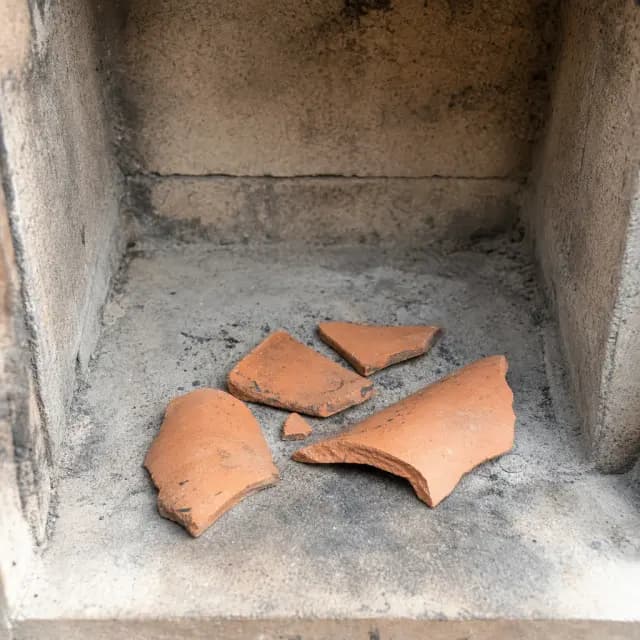
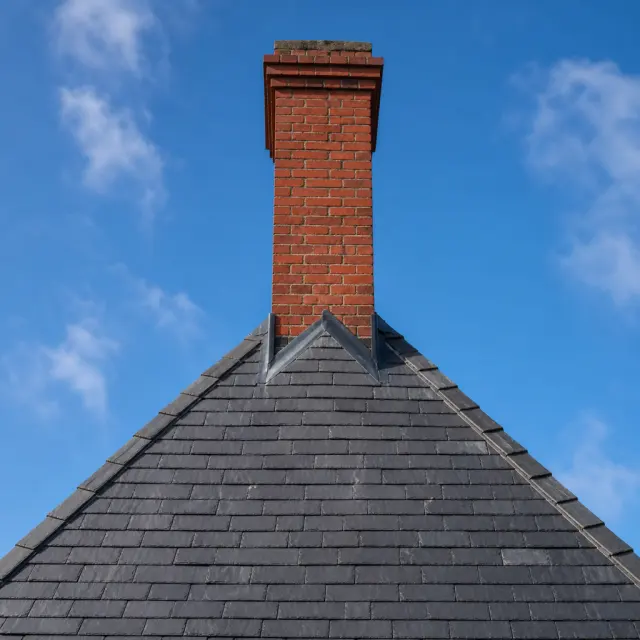
Chimney services for Ohio homes
Cleaning, inspections, repairs, and drone views in one place.
Chimney sweeping
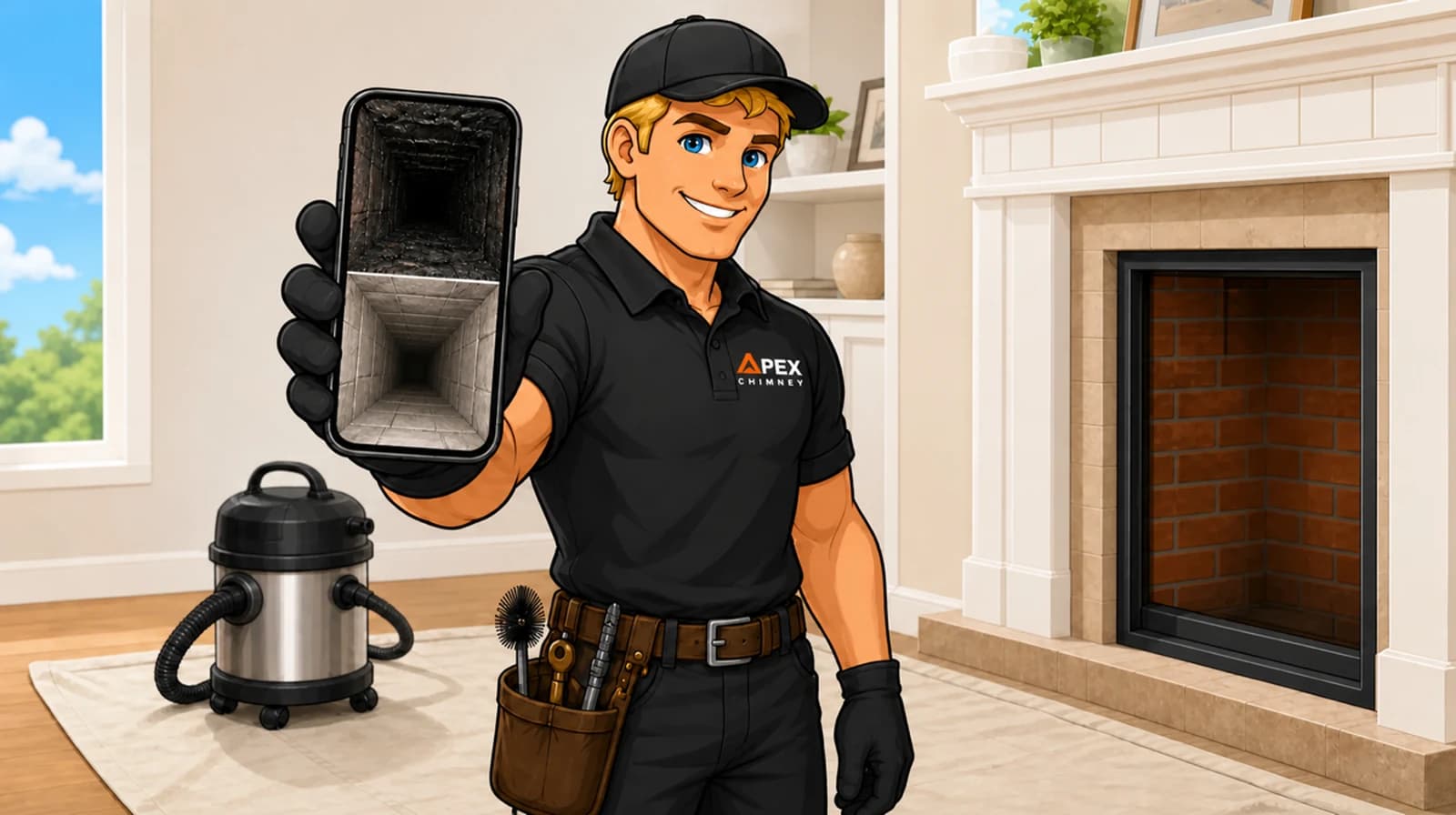
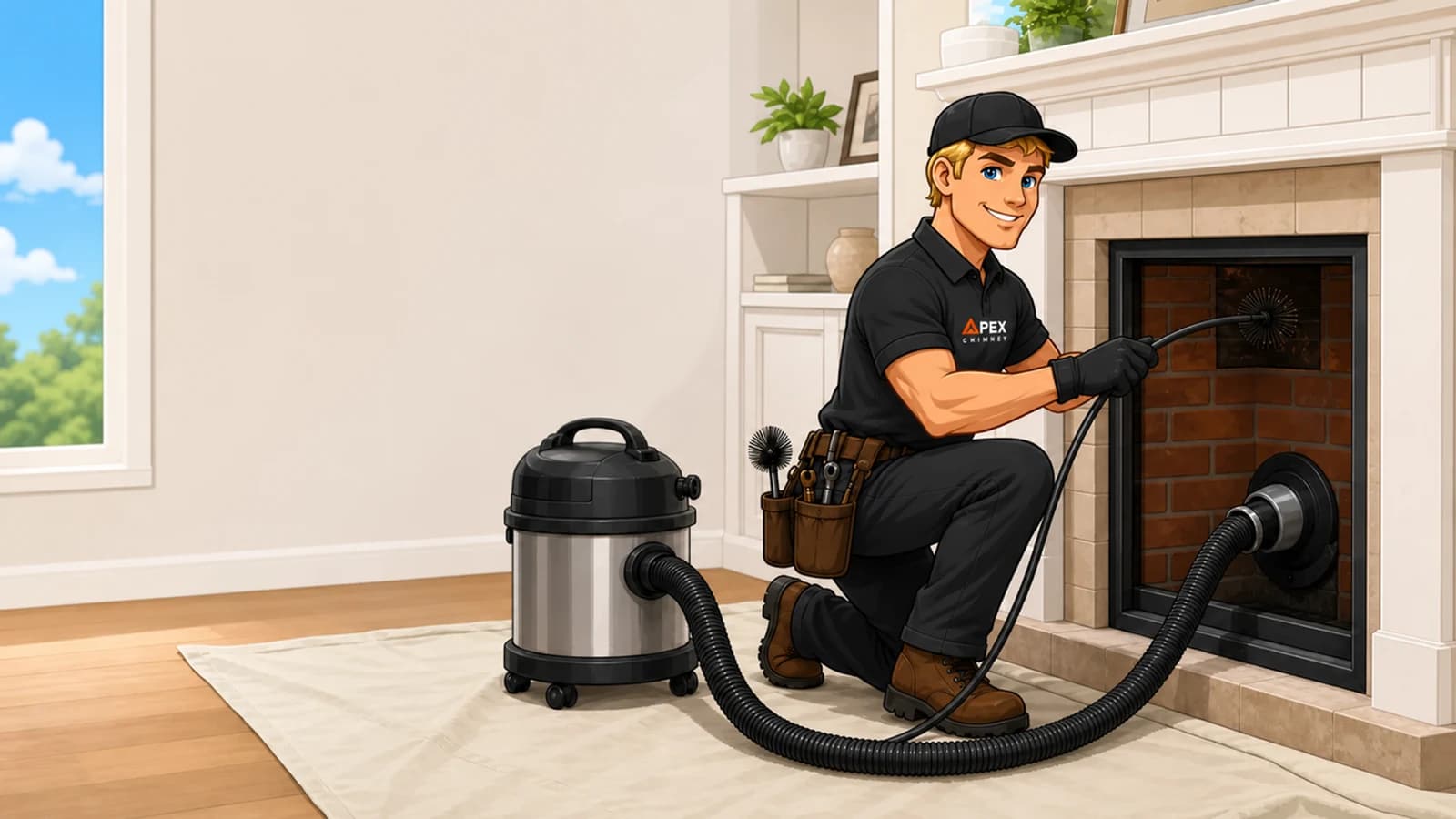
Creosote, soot, and blockages removed from the flue.
Chimney inspections
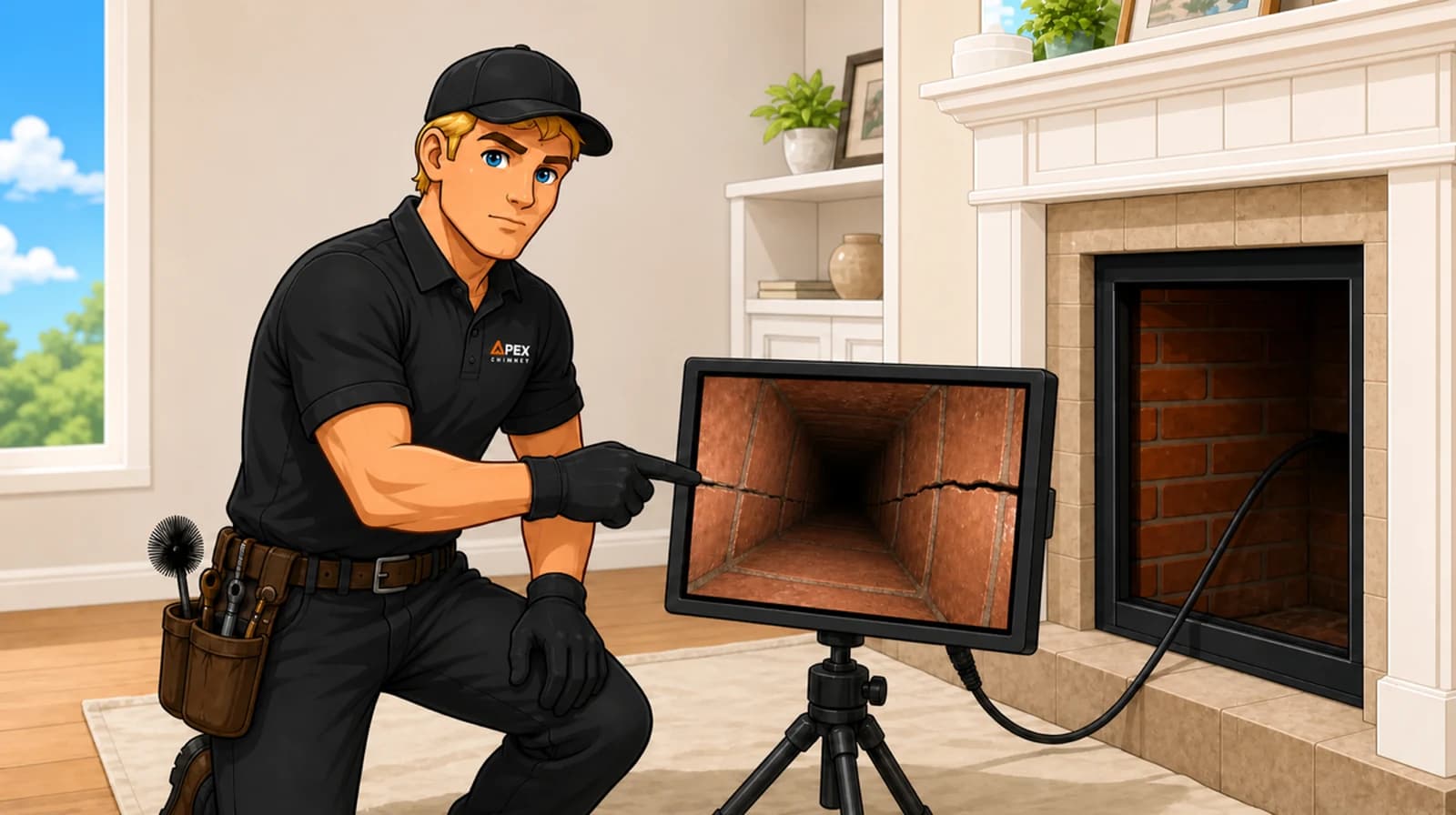
Level 1, Level 2, and Level 3 inspections.
Chimney repairs
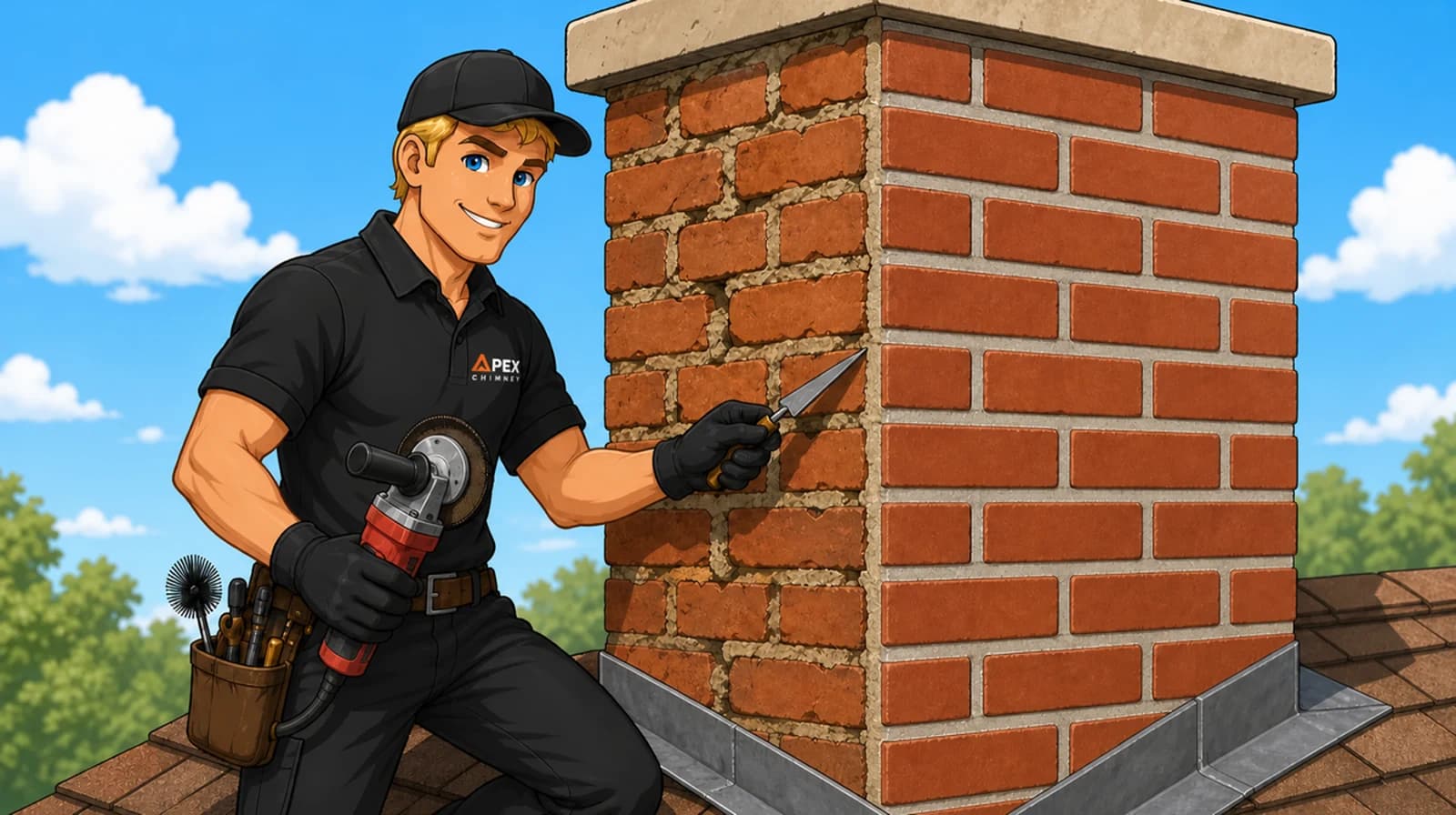
Masonry, liner, cap, crown, and leak repairs.
Fireplace service
Firebox, damper, smoke, and draft problems.
Drone inspections — $59
An overhead view of hard-to-reach chimney areas.
Family-owned for 20+ years
CSIA-certified, licensed, and insured.
What it's worth
What a chimney fire costs depends on where it stops
$330
Damage when a heating fire stays inside the chimney.
$28,180
Damage when it gets into the house. About 85 times more.
U.S. Fire Administration national estimates, 2017–2019.
The difference is containment. A fire inside an intact flue has nowhere to go. An inspection tells you whether yours is intact.
The numbers, with sources
Chimney services, start to finish
Start with sweeping or an inspection. See all services for repairs and specialty work.
Every year
Reviews
Our reviews are on Google, Yelp, Angi, HomeAdvisor and Porch
If we've been out to your house, leaving one there is the most useful thing you can do for us.
- Google reviewsRead our reviews on Google
- Yelp reviewsRead our reviews on Yelp
- Angi reviewsRead our reviews on Angi
- HomeAdvisor reviewsRead our reviews on HomeAdvisor
- Porch reviewsRead our reviews on Porch
A family business, over 20 years
Apex Chimney is CSIA-certified, licensed, and insured, serving Columbus and Dayton, Ohio.
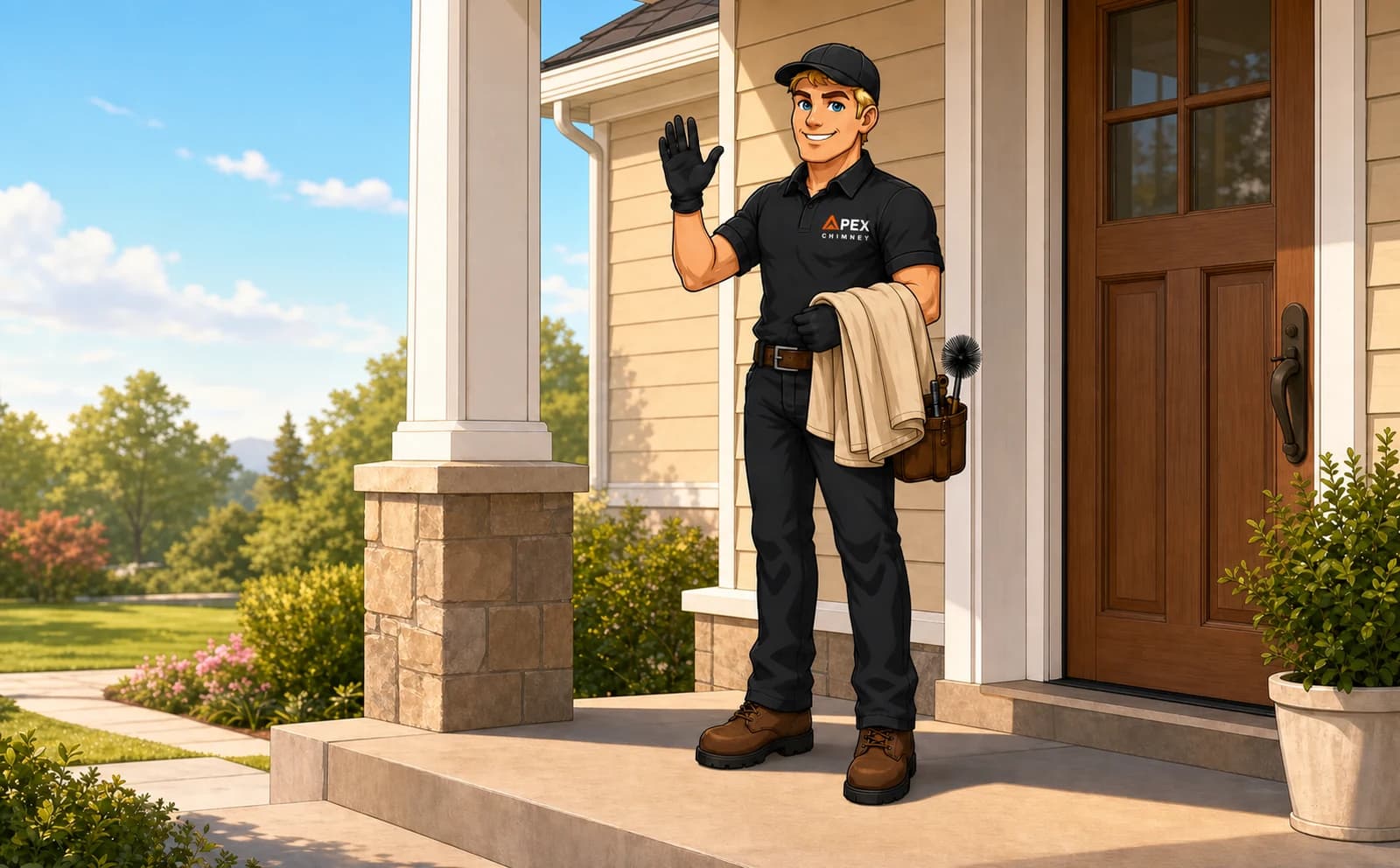
If the right answer for your house is that this can wait a year, that's the answer you'll get.
Nobody has to climb it
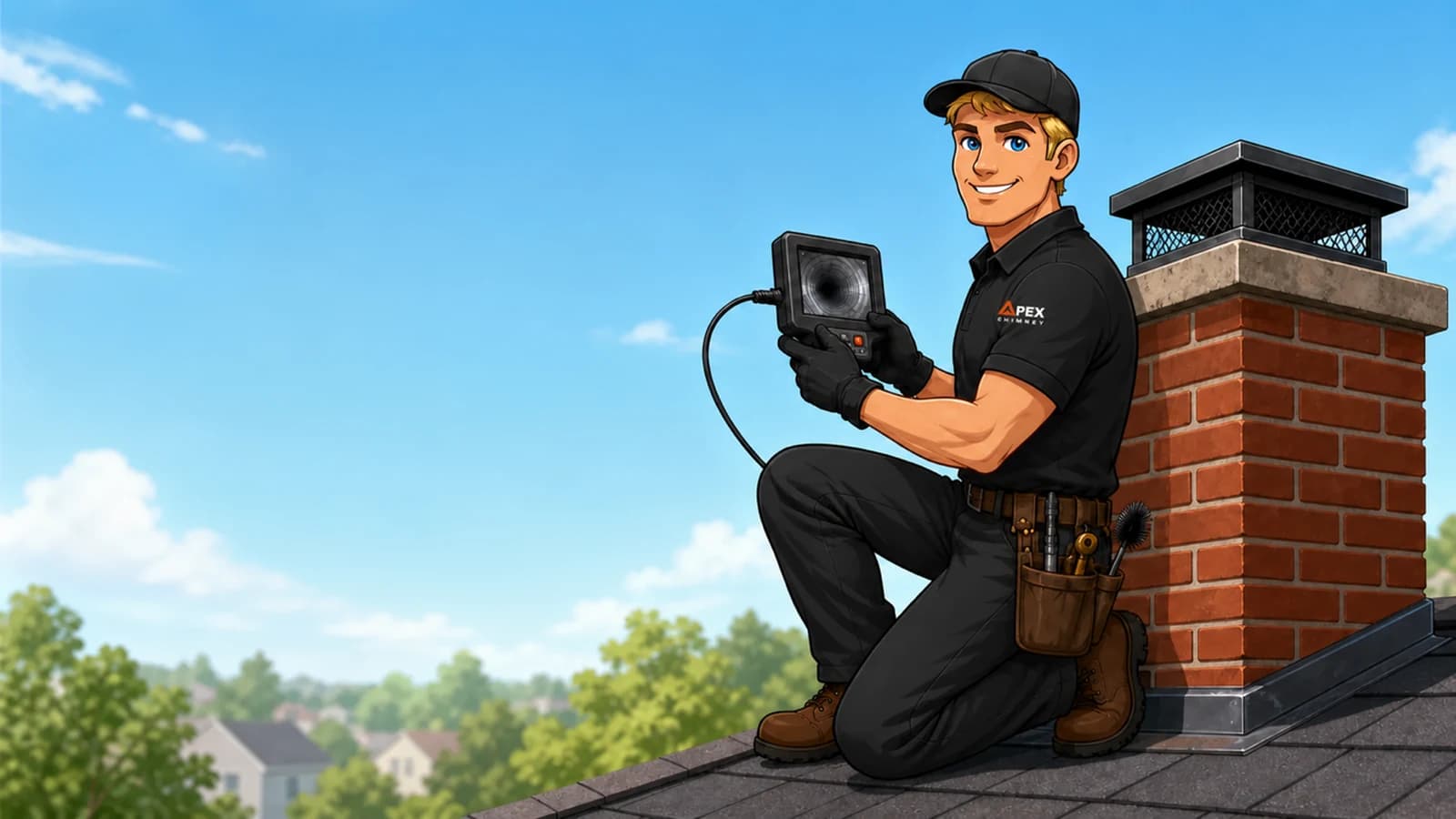
Drone chimney inspections — $59 flat
If the roof is steep or storm-damaged, we fly it instead of climbing it.
Chimney emergency?
If there's a fire or you suspect carbon monoxide, get everyone outside and call emergency services first. For urgent chimney concerns, call us directly.
Book Your Free Estimate
Tell us what you need an estimate for. We'll call you back to discuss your request and confirm a time.
Prefer to talk to somebody? That's usually faster.
Call (614) 290-2656Common questions
Columbus & Dayton
Two Ohio service hubs, each with a local page. Find your city.
Columbus Metro
51 locations · OH- ColumbusOH
- DublinOH
- WestervilleOH
- WorthingtonOH
- HilliardOH
- Upper ArlingtonOH
- GahannaOH
- ReynoldsburgOH
- Grove CityOH
- PickeringtonOH
- PowellOH
- New AlbanyOH
- DelawareOH
- Lewis CenterOH
- PataskalaOH
- BexleyOH
- WhitehallOH
- Canal WinchesterOH
- GroveportOH
- BlacklickOH
- GallowayOH
- Plain CityOH
- MarysvilleOH
- LondonOH
- SunburyOH
- GalenaOH
- JohnstownOH
- GranvilleOH
- NewarkOH
- HeathOH
- LancasterOH
- CirclevilleOH
- AshvilleOH
- ObetzOH
- Grandview HeightsOH
- Marble CliffOH
- Minerva ParkOH
- BriceOH
- LockbourneOH
- UrbancrestOH
- ValleyviewOH
- RiverleaOH
- Shawnee HillsOH
- OstranderOH
- AshleyOH
- Mount SterlingOH
- BaltimoreOH
- Pickerington PondsOH
- EtnaOH
- HebronOH
- Buckeye LakeOH